Planetary Science
IMAP
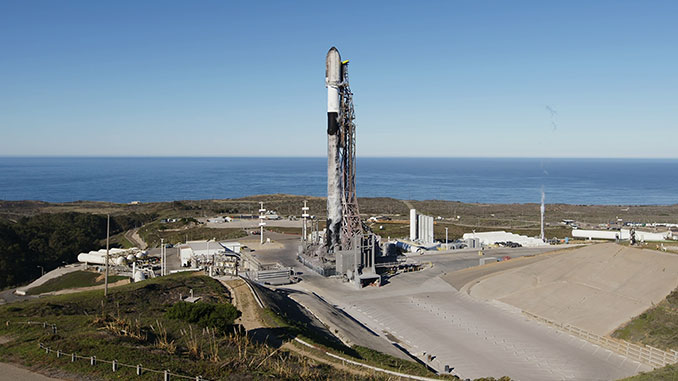
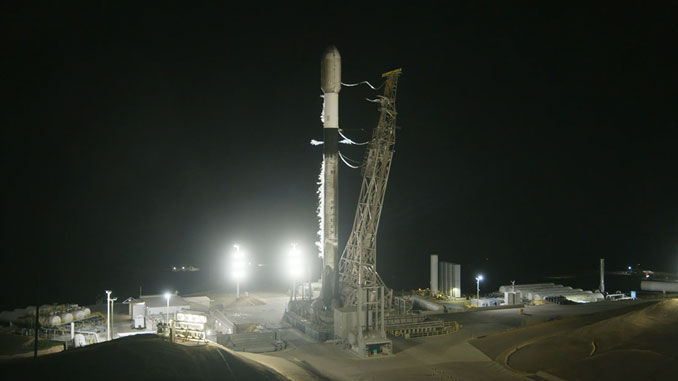
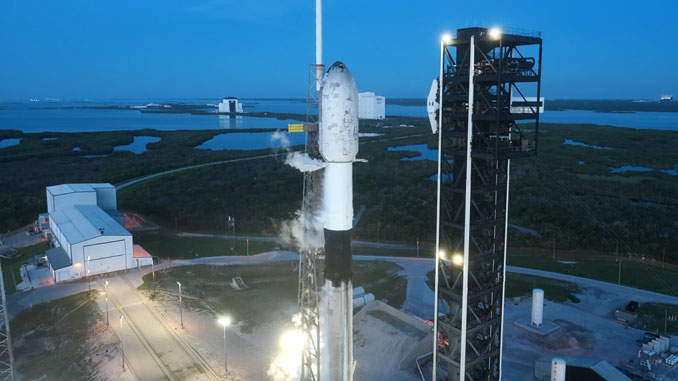
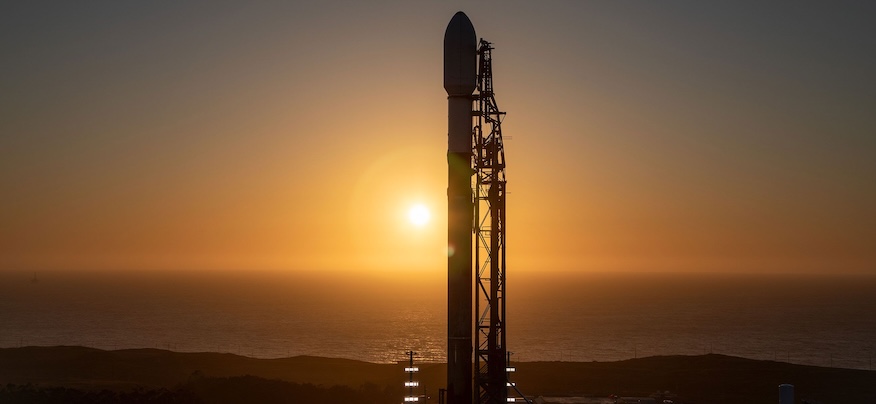
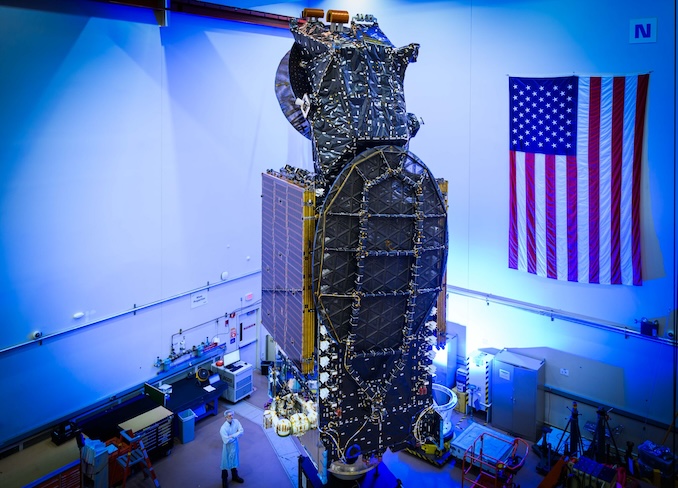
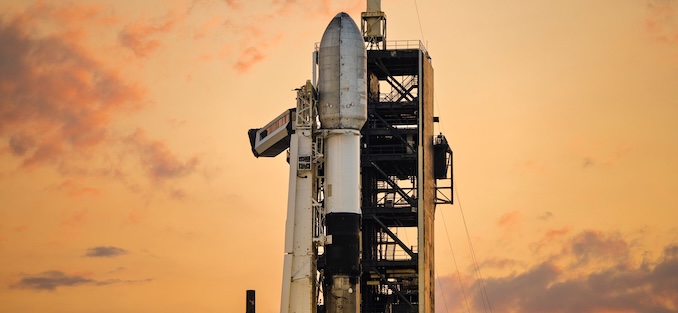
The Interstellar Mapping and Acceleration Probe (IMAP) is a heliophysics mission that will simultaneously investigate two important and coupled science topics in the heliosphere: the acceleration of energetic particles and interaction of the solar wind with the local interstellar medium. These science topics are coupled because particles accelerated in the inner heliosphere play crucial roles in the outer heliospheric interaction. In 2018, NASA selected a team led by David J. McComas of Princeton University to implement the mission. IMAP will be a Sun-tracking spin-stabilized satellite in orbit about the Sun–Earth L1 Lagrange point with a science payload of ten instruments. IMAP will also continuously broadcast real-time in-situ data that can be used for space weather prediction. It is the fifth mission selected in the Solar Terrestrial Probes program, after TIMED, Hinode, STEREO and MMS. IMAP launched on 24 September 2025.
Read more on Wikipedia →Launch
- Launch date
- September 24, 2025 at 11:30 AM UTC
- Launch site
- Cape Canaveral SFS, USA
- Launched by
- Falcon 9 Block 5 →
- Operator
- SpaceX
- Mission
- IMAP & others
- Launch record
- View full launch →
Trajectory
- Regime
- Interplanetary — Heliocentric
- Reference body
- Heliocentric
Spacecraft
- Operator
- United States
- Launch mass
- 900 kg
Identity
- COSPAR (Int'l)
- 2025-215A
- NORAD catalog №
- 65725
- Object type
- Payload
- Owner / operator
 United States
- Status
- Operational
- Decay / reentry
- September 26, 2025
End of mission
- Last active / ended
- September 26, 2025
- Time in service
- 2 days
- Fate
- Mission ended at Heliocentric.
- Final status
- Operational
Related news